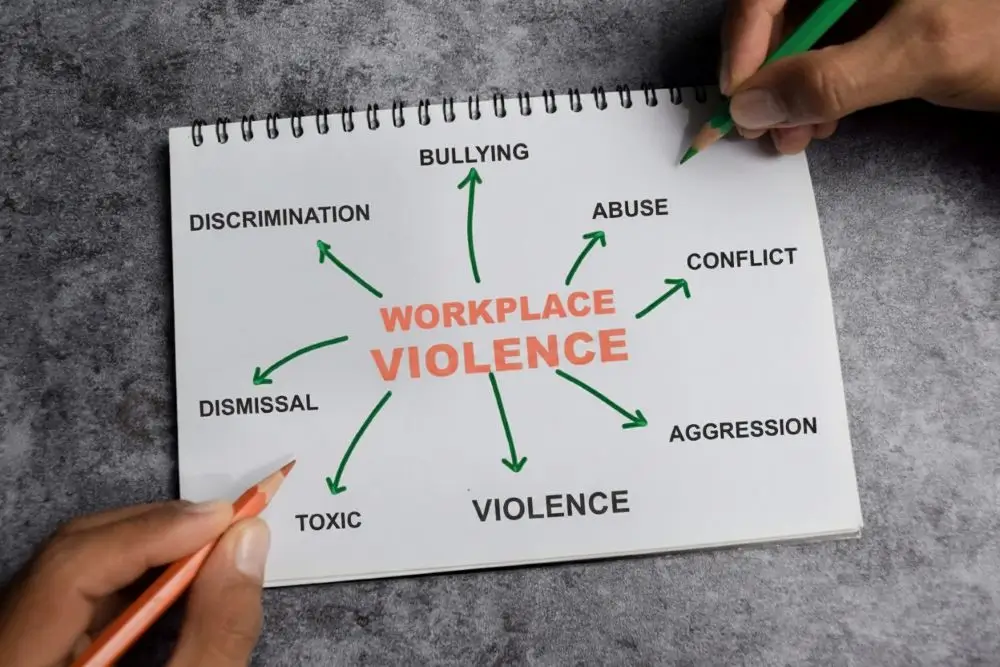
What Does OSHA Say About Workplace Violence?
Workplace violence refers to any act of violence, threats, intimidation, harassment, or disruptive behavior that occurs in a work setting. It can range from verbal abuse and threatening behavior to physical assaults and, in severe cases, homicide. Workplace violence may involve employees, customers, clients, patients, visitors, or even strangers entering the workplace.
In recent years, workplace violence has become a growing concern across many industries, particularly in healthcare, retail, education, transportation, and public service sectors, where employees frequently interact with the public. Increasing stress levels, staffing shortages, high-pressure environments, and rising incidents of aggression have contributed to greater safety risks for workers nationwide.
Beyond physical harm, workplace violence can negatively affect employee morale, mental health, productivity, and overall workplace culture. Businesses may also face financial losses, legal liability, reputational damage, and increased employee turnover when violence prevention measures are inadequate. Explore more about workplace violations in this blog:
What OSHA Says About Workplace Violence
The Occupational Safety and Health Administration recognizes workplace violence as a serious occupational hazard that can affect employees in many industries. Although workplace violence can take different forms, OSHA considers employers responsible for taking reasonable steps to protect workers from known safety threats and preventable hazards.
OSHA primarily addresses workplace violence through the Occupational Safety and Health Act's "General Duty Clause." This clause requires employers to provide a workplace that is free from recognized hazards that are likely to cause death or serious physical harm. If workplace violence risks are known or foreseeable within a work environment, employers may be expected to implement safety measures to reduce those risks.
Employer responsibilities can include conducting hazard assessments, establishing violence prevention policies, training employees on de-escalation procedures, improving workplace security, and creating systems for reporting threats or incidents. OSHA may also evaluate whether employers failed to take reasonable precautions after repeated incidents, known threats, or documented workplace risks.
Does OSHA Have Specific Standards for Violence?
Currently, OSHA does not have a single nationwide standard specifically dedicated to workplace violence prevention for all industries. However, the agency has developed extensive guidance documents, recommendations, and enforcement directives to help employers identify and manage violence-related hazards in the workplace.
OSHA provides industry-specific workplace violence prevention guidelines for sectors considered high risk, including healthcare, social services, late-night retail, and taxi or transportation services. These guidelines outline recommended safety practices such as employee training, emergency response planning, access control measures, incident reporting systems, and staffing considerations.
Even without a dedicated federal standard, OSHA can still investigate workplace violence incidents and cite employers under the General Duty Clause if the agency determines that recognized violence hazards were not properly addressed. In some states, additional workplace violence prevention regulations may apply through state occupational safety programs or local laws.
Industries Most Affected (Where OSHA Focuses Enforcement)
Certain industries face a significantly higher risk of workplace violence due to frequent public interaction, emotionally charged situations, cash handling, or working in isolated environments. As a result, the Occupational Safety and Health Administration places greater emphasis on workplace violence prevention and enforcement within these high-risk sectors.
Healthcare and Social Services
Healthcare and social service settings are among the most affected industries. Nurses, emergency room staff, caregivers, mental health workers, and social service employees often encounter aggressive behavior from patients, visitors, or individuals in crisis situations. Hospitals, psychiatric facilities, and long-term care centers are frequently identified as high-risk environments for assaults and verbal threats.
Retail Businesses
Retail businesses also experience elevated workplace violence risks, particularly convenience stores, gas stations, liquor stores, and businesses operating during late-night hours. Employees in these environments may face robbery-related violence, customer aggression, and confrontations involving theft or disputes.
OSHA enforcement efforts in these industries often focus on whether employers have implemented reasonable safety precautions, employee training programs, reporting systems, and security measures to address known violence hazards.
What OSHA Requires Employers to Do
Although OSHA does not maintain a standalone federal workplace violence standard for all industries, employers are still expected to take proactive steps to reduce violence-related hazards and protect workers from foreseeable harm.
One of the first responsibilities is conducting a workplace violence risk assessment. Employers should identify potential threats within the work environment, evaluate previous incidents, and determine which employees or job tasks may face higher exposure to violence risks.
Many organizations also develop written workplace violence prevention plans outlining company policies, reporting procedures, emergency response actions, and disciplinary measures related to violent behavior or threats. These plans help establish clear expectations for both management and employees.
Employee training is another important component of workplace violence prevention. Training may include conflict de-escalation techniques, emergency response procedures, recognizing warning signs of aggression, reporting protocols, and personal safety practices relevant to the workplace.
Can Employees File an OSHA Complaint for Violence?
Yes, employees can file a complaint with the Occupational Safety and Health Administration if they believe workplace violence hazards are not being properly addressed by their employer. OSHA allows workers to report unsafe working conditions when there is a recognized risk of threats, assaults, intimidation, or other violence-related dangers in the workplace.
Employees may submit complaints if an employer fails to implement reasonable safety measures in environments where violence risks are foreseeable.
Examples can include repeated violent incidents, lack of security procedures, inadequate staffing in high-risk settings, failure to respond to threats, or the absence of workplace violence prevention policies.
Workers can file complaints online, by phone, by mail, or through a local OSHA office.
In some cases, employees may request confidentiality to protect their identity during the reporting process.
OSHA may then review the complaint, contact the employer, conduct an inspection, or evaluate whether workplace safety obligations under the General Duty Clause have been violated.
Limits of OSHA's Authority
While OSHA plays an important role in workplace safety enforcement, there are limits to the agency's authority regarding workplace violence situations. OSHA primarily focuses on identifying and addressing safety hazards that employers can reasonably prevent or control within the workplace.
Certain incidents may fall outside OSHA's direct jurisdiction, particularly when violence involves personal disputes, criminal acts unrelated to workplace conditions, or issues typically handled through human resources or law enforcement channels. For example, isolated conflicts between employees that do not involve broader workplace safety failures may be treated primarily as internal HR matters rather than OSHA violations.
However, if an employer ignores known risks, fails to respond to repeated threats, or does not take reasonable preventive actions in high-risk environments, OSHA may still evaluate whether workplace safety obligations were neglected. In many situations, workplace violence prevention requires coordination between employers, HR departments, security teams, and law enforcement agencies in addition to OSHA requirements efforts.
Conclusion
The Occupational Safety and Health Administration addresses workplace violence through the General Duty Clause, which requires employers to provide a reasonably safe work environment. Although OSHA does not have a universal workplace violence standard, employers are still expected to identify risks, implement prevention measures, and protect workers from foreseeable harm.
Because OSHA's enforcement authority is limited in some situations, effective workplace violence prevention ultimately depends on proactive safety policies, employee training, proper reporting systems, and strong workplace security practices.
Related Posts

OSHA Interview Practice: Questions & Answers
How Language Barrier Can Affect Workplace Safety