How Language Barrier Can Affect Workplace Safety
Clear communication is one of the most important elements of a safe workplace. Employees need to understand instructions, recognize hazards, and know how to respond in emergencies to perform their jobs safely and effectively. When communication breaks down, even simple tasks can become safety risks.
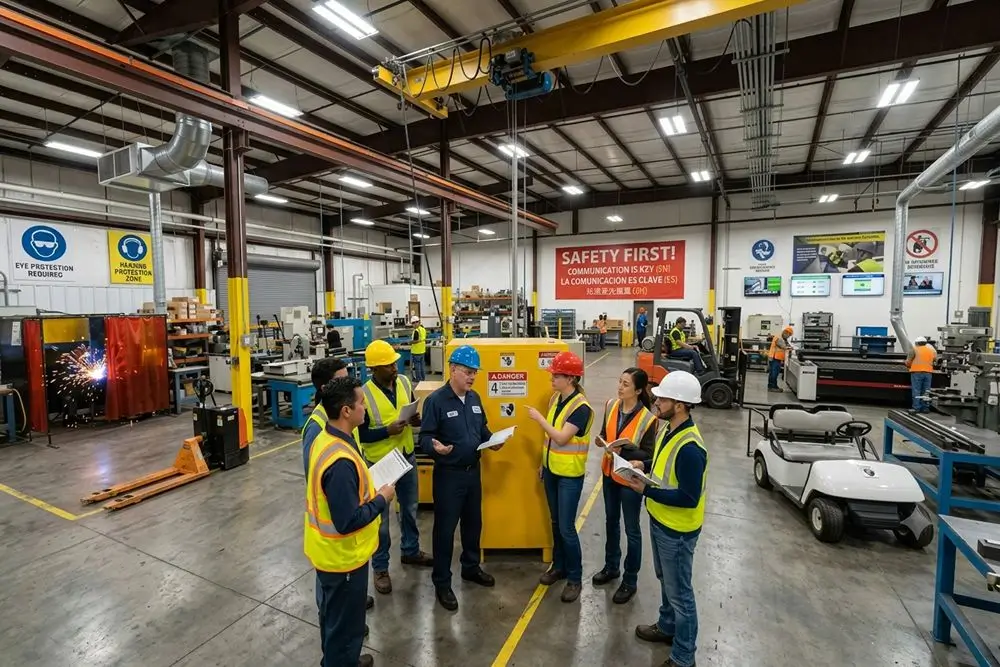
Today's workplaces are more diverse than ever, often bringing together employees from different countries, cultures, and language backgrounds. While this diversity brings valuable skills and perspectives, language differences can sometimes make it difficult to communicate critical safety information. Misunderstood instructions, unclear warning signs, and hesitation to ask questions can all increase the risk of accidents and workplace incidents.
For organizations, addressing language barriers is not just about improving communication—it's about protecting employees and creating a stronger safety culture. This article explores how language barriers can impact workplace safety, the challenges they create for both workers and employers, and practical strategies for building a safer, more inclusive work environment.
Understanding Language Barriers in the Workplace
A language barrier occurs when individuals have difficulty communicating because they do not share the same language or have different levels of language proficiency. In the workplace, this can lead to misunderstandings, confusion, and difficulty interpreting important information. Communication challenges may arise during safety training, daily operations, equipment use, or emergency situations, making it harder for employees to fully understand expectations and workplace hazards.
Language diversity is becoming increasingly common as organizations expand globally, hire international talent, and manage more diverse workforces. The growing presence of migrant workers, temporary employees, and remote teams has created workplaces where multiple languages may be spoken on a daily basis. Industries such as construction, manufacturing, warehousing and logistics, healthcare, and hospitality are particularly affected because they rely heavily on clear communication to maintain safety, efficiency, and compliance. As workforce diversity continues to grow, organizations must find effective ways to ensure that language differences do not become safety risks.
Why Clear Communication Is Critical for Workplace Safety
Effective communication plays a vital role in keeping employees safe and ensuring workplace operations run smoothly. Workers must be able to understand safety procedures, workplace rules, and job-specific instructions to perform their duties safely. Clear communication is also essential during emergencies, where quick and accurate responses can help prevent injuries and minimize risks.
Strong communication helps create consistency across the workforce by reducing misunderstandings and encouraging employees to follow established safety practices. It also supports collaboration among team members, particularly in environments where tasks depend on coordination and shared responsibility. From a compliance perspective, clear communication helps organizations meet training requirements, comply with hazard communication standards, and maintain accurate safety documentation and reporting processes. When employees fully understand safety expectations, organizations are better positioned to prevent incidents and maintain a strong safety culture.
How Language Barriers Can Increase Workplace Risks
When employees struggle to understand or communicate important information, workplace safety can be significantly compromised. Language barriers can affect everything from daily operations and safety training to emergency response and incident reporting. Even minor misunderstandings can create conditions that increase the likelihood of accidents, injuries, and compliance issues.
Misunderstanding Safety Instructions
Employees who do not fully understand safety instructions may perform tasks incorrectly or overlook critical precautions. This can lead to improper equipment use, unsafe work practices, and failure to follow established safety procedures.
Difficulty Understanding Warning Signs and Labels
Safety signs, labels, and hazard warnings are designed to communicate risks quickly and clearly. When workers cannot fully understand this information, they may be exposed to chemical hazards, restricted areas, or other workplace dangers without realizing the risks involved.
Communication Breakdowns During Emergencies
Emergencies require immediate and accurate communication to protect employees and minimize harm. Language barriers can lead to confusion, delayed responses, and misunderstandings that make evacuation procedures and emergency instructions more difficult to follow.
Reduced Hazard Reporting
Employees who are not confident communicating in the workplace may hesitate to report safety concerns or near-miss incidents. This can prevent organizations from identifying hazards early and addressing risks before they result in accidents.
Increased Risk of Workplace Accidents
Miscommunication can contribute directly to human error, particularly in fast-paced or high-risk work environments. When workers misunderstand instructions or lack full awareness of workplace hazards, the likelihood of injuries and safety incidents increases significantly.
The Impact of Language Barriers on Employees
Language barriers can have a significant impact on employees beyond the immediate safety risks they create. Workers who struggle to understand instructions or communicate effectively may experience increased stress and anxiety due to fear of making mistakes or misunderstanding important information. They may also feel less confident asking questions or seeking clarification when needed.
Over time, these challenges can reduce employee engagement, causing workers to feel excluded from safety discussions and limiting their participation in training programs. New employees are often particularly vulnerable, as language differences can make it more difficult to understand workplace expectations, safety procedures, and job responsibilities during the onboarding process, increasing their risk of errors and workplace incidents.
The Impact on Organizations
Language barriers can create challenges that affect both workplace safety and overall business performance. When employees struggle to understand safety instructions, procedures, or hazard information, the likelihood of workplace incidents and injuries increases. Higher incident rates can lead to increased safety risks, workers' compensation claims, medical expenses, and operational disruptions that impact an organization's ability to maintain a safe and productive work environment.
Beyond safety concerns, communication gaps can contribute to compliance and operational challenges. Misunderstandings may result in regulatory violations, incomplete documentation, or difficulties meeting reporting requirements, potentially increasing liability exposure. Language barriers can also reduce productivity by causing communication delays, operational errors, rework, and downtime. Over time, these challenges can impact workplace culture by limiting collaboration, eroding trust among teams, and creating communication silos that hinder effective teamwork and organizational performance.
Best Practices for Building a Multilingual Safety Culture
Creating a multilingual safety culture begins with understanding the communication needs of the workforce. Organizations should identify language gaps, assess employees' ability to understand safety information, and evaluate whether existing training programs are effectively reaching all workers. This helps ensure that critical safety messages are communicated clearly and consistently across the organization.
Key Implementation Steps
Employers can further strengthen workplace safety by developing inclusive safety programs that use tailored communication methods and accessible resources for employees with different language backgrounds. Safety materials should be reviewed and updated regularly to maintain accurate translations and reflect workforce changes. Organizations should also measure the effectiveness of their communication efforts by monitoring incident trends, gathering employee feedback, and continuously improving strategies to ensure that every worker can understand and apply important safety information.
Conclusion
Language barriers can have a significant impact on workplace safety, affecting everything from daily communication and safety training to emergency response and hazard reporting. When employees do not fully understand safety information, the risk of misunderstandings, accidents, and compliance issues increases. These challenges can affect not only individual workers but also overall organizational performance, productivity, and workplace culture.
Building a safe and inclusive work environment requires organizations to recognize and address communication gaps proactively. By investing in multilingual training, clear safety communications, accessible resources, and ongoing employee engagement, employers can help ensure that all workers understand their responsibilities and workplace hazards. A strong multilingual safety culture not only reduces risk but also fosters greater trust, collaboration, and safety awareness across the workforce.
Related Posts
Safety Observation in the Workplace (With Examples)
Understanding OSHA’s Mission