
Safety Observation in the Workplace (With Examples)
Workplace safety depends on more than having safety rules and procedures in place. Employees and supervisors also need to recognize hazards, notice unsafe practices, and identify opportunities to improve how work is performed. Safety observations provide a practical way to look at workplace activities and identify potential risks before they result in an incident or injury.
A safety observation can focus on both safe and unsafe conditions or behaviors. Recognizing good practices can reinforce them, while identifying hazards can help teams take corrective action. When performed consistently and followed by appropriate action, safety observations can become an important part of a proactive workplace safety program.
What Is a Safety Observation?
A safety observation is the process of watching a workplace activity, task, or condition to identify practices that are safe as well as those that could create a hazard. Employees, supervisors, and safety professionals can use observations during routine work to understand how tasks are actually being performed and whether safety procedures are being followed.
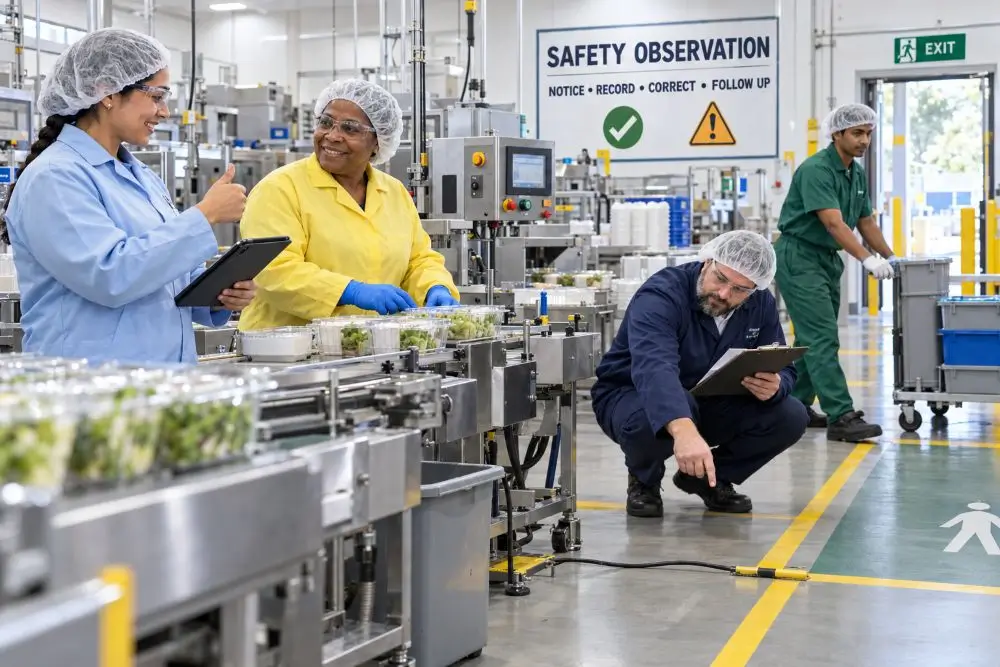
A safety observation may involve checking whether workers are using the required PPE, operating equipment correctly, maintaining good housekeeping, following safe lifting practices, or keeping emergency exits clear. Observations can also recognize employees who are consistently following safe work practices.
Why Are Safety Observations Important?
Safety observations provide an opportunity to identify hazards before they contribute to an incident or injury. Regular observations also encourage employees to pay closer attention to their surroundings and think about how everyday tasks can be performed more safely.
The information gathered through observations can help reinforce good practices and identify areas where additional training, better procedures, or corrective action may be needed. Over time, reviewing these observations can help employers recognize recurring issues and make informed improvements to workplace safety programs.
What Should You Look for During a Safety Observation?
A safety observation should look beyond obvious hazards and consider how employees, equipment, and work areas interact. Observers should pay attention to everyday practices and conditions that could affect employee safety, while also noting areas where safe practices are being followed.
Employee Behaviors and Work Practices
Observe whether employees are following established procedures and using safe work practices while performing their assigned tasks.
PPE Use
Check whether employees are wearing the required PPE correctly and whether the equipment is appropriate for the hazards involved.
Tools and Equipment
Look for damaged tools, defective equipment, missing guards, or improper use that could create a safety risk.
Housekeeping
Check for clutter, spills, loose materials, or other conditions that could contribute to slips, trips, falls, or other incidents.
Work Areas and Walking Surfaces
Inspect floors, walkways, stairs, and work areas for uneven surfaces, obstructions, poor conditions, or other hazards.
Emergency Exits and Equipment
Make sure emergency exits, fire extinguishers, alarms, first-aid supplies, and other emergency equipment are accessible and properly maintained.
Hazardous Materials
Observe how chemicals and other hazardous materials are stored, labeled, handled, and disposed of to ensure appropriate safety practices are followed.
Vehicle and Equipment Movement
Pay attention to how vehicles, forklifts, and mobile equipment move through the workplace and whether pedestrians and operators are following safe practices.
Safe vs. Unsafe Safety Observations
Safety observations can identify both positive and negative workplace practices. A positive observation recognizes employees who are following safe procedures, while a negative observation identifies a condition or behavior that could increase risk. The goal should be to reinforce good practices and correct unsafe conditions, rather than simply finding fault.
Example 1: Proper PPE Use
A worker is wearing the required PPE correctly while performing a task. This positive observation can be recognized and reinforced as a good safety practice.
Example 2: Blocked Emergency Exit
Materials are stored in front of an emergency exit, potentially delaying evacuation during an emergency. The materials should be removed immediately and stored in an appropriate location.
Example 3: Poor Housekeeping
Tools, cables, or materials are left in a walkway, creating a potential trip hazard. Clearing the area promptly can reduce the risk of someone falling or being injured.
Example 4: Unsafe Ladder Use
An employee is standing on an unsafe ladder step or using a damaged ladder. The activity should be stopped, and the worker should be provided with a suitable ladder in good condition.
Example 5: Safe Machine Operation
An employee is operating machinery according to established procedures and using the required machine guards. Recognizing this behavior can reinforce the importance of following safe operating practices.
Example 6: Improper Material Handling
A worker is lifting or carrying a load using an unsafe technique that could increase the risk of injury. The worker can be coached on safer handling methods and provided with assistance or equipment when appropriate.
How to Conduct a Workplace Safety Observation
A workplace safety observation should follow a consistent process to make the results useful and objective. Start by planning the observation and identifying the task or work area to be reviewed. Observe the work without unnecessarily interrupting the employee, noting both safe and unsafe conditions or behaviors. Discuss relevant observations with the worker, take corrective action when needed, and document the findings so they can be reviewed and followed up later.
How to Document Safety Observations
Safety observations should be documented using clear and factual information rather than assumptions about why something happened. Records can include the location, task being performed, observed hazard or safe practice, and any recommended corrective action. Positive observations should be recorded alongside unsafe conditions, as this information can help reinforce good practices and identify recurring trends that may require additional training or changes to workplace procedures.
Conclusion
Safety observations provide a proactive way to identify workplace hazards, recognize safe practices, and address potential problems before they lead to incidents. By regularly observing tasks, equipment, work areas, and employee practices, organizations can gain a better understanding of the safety conditions in their workplace.
Effective safety observations should focus on improvement rather than blame. Documenting findings, taking appropriate corrective action, and following up on recurring issues can help strengthen safety procedures and encourage employees to make safe practices part of their everyday work.
Related Posts
Safety Observation in the Workplace (With Examples)
Understanding OSHA’s Mission