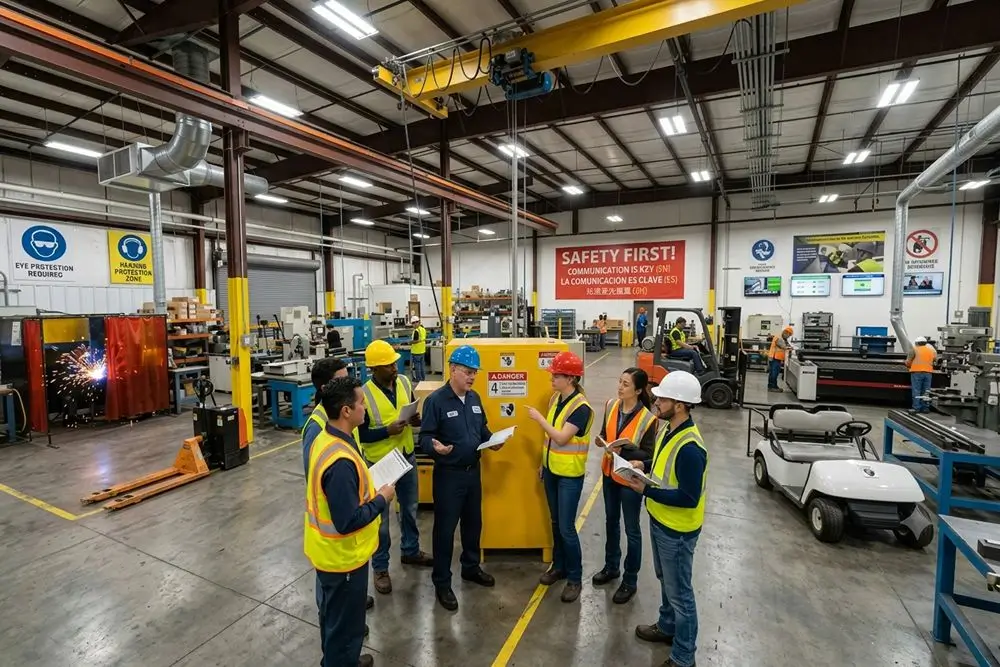
Understanding OSHA’s Mission
Workplace safety is a shared responsibility. Employers are responsible for providing a safe workplace, while employees need to understand workplace hazards, follow safety procedures, and know their rights. The Occupational Safety and Health Administration (OSHA) plays a central role in supporting both sides. But what exactly is OSHA’s mission? Let’s take a deep dive into the agenda and initiatives the organization takes.
●OSHA’s Core Mission
OSHA’s mission is to ensure that America’s workers have safe and healthful working conditions free from unlawful retaliation. To accomplish this, OSHA uses a combination of standards, enforcement, education, training, outreach, and assistance. In simple terms, OSHA works to prevent workplace injuries, illnesses, and fatalities by helping identify and address hazards before they cause harm. Its mission has two important sides:
Protecting workers from recognized workplace hazards and unlawful retaliation.
Helping employers understand and meet their workplace safety and health responsibilities.
OSHA is therefore not limited to inspections and penalties. Enforcement is one part of a broader approach that also includes education, consultation, training, and cooperation.
How Does OSHA Carry Out Its Mission?
Setting Workplace Safety Standards
One of OSHA’s primary responsibilities is developing and maintaining occupational safety and health standards. These standards establish requirements for employers in areas where workplace hazards may exist.
Depending on the industry, OSHA standards can address issues such as hazardous chemicals, fall protection, machinery, electrical safety, respiratory protection, recordkeeping, and many other workplace risks.
Employers are required to comply with applicable OSHA standards as well as the General Duty Clause, which requires employers to provide a workplace free from recognized serious hazards.
Enforcing Safety Requirements
OSHA also enforces workplace safety and health requirements. Inspections and enforcement activities help identify violations and serious hazards and encourage employers to correct unsafe conditions.
Enforcement is important, but OSHA's approach is broader than simply responding after something goes wrong. The agency also works to encourage employers to identify hazards and improve their safety programs before an injury, illness, or fatality occurs.
Providing Training and Education
Another major part of OSHA's mission is education. OSHA provides training, educational materials, publications, guidance, and outreach programs designed to help workers and employers understand workplace hazards and safety responsibilities. Its Outreach Training Program, for example, helps workers become more knowledgeable about recognizing and avoiding workplace hazards.
The agency also supports training through OSHA Training Institute Education Centers and other programs. This educational role is particularly important because regulations alone cannot create a safe workplace. Employers and workers need to understand how safety requirements apply to the work being performed.
Helping Employers Improve Workplace Safety
OSHA also provides assistance to employers that want to improve their safety and health programs. One example is the On-Site Consultation Program, which provides no-cost and confidential assistance to eligible small and medium-sized businesses. OSHA also provides Compliance Assistance Specialists, publications, safety resources, and recommended practices for workplace safety programs.
These resources give employers opportunities to identify hazards, understand requirements, and strengthen their safety programs. For employees, these efforts can mean better hazard awareness, improved training, and safer working conditions.
OSHA’s Focus on Prevention and Collaboration
OSHA's more recent initiatives have placed additional emphasis on prevention, collaboration, and helping employers build stronger safety cultures.
In 2026, OSHA launched OSHA Cares, an agency-wide initiative focused on improving customer service, expanding compliance assistance, helping businesses meet federal safety requirements, and supporting stronger workplace safety and health programs.
OSHA has also highlighted its Safety Champions Program, which is designed to help employers progress toward continual improvement by identifying and correcting hazards before they result in injuries, illnesses, or fatalities.
These initiatives reflect an important part of OSHA's overall agenda: workplace safety should not begin only when an inspector arrives or after an incident occurs. Prevention and continuous improvement are essential parts of an effective safety program.
Protecting Workers From Retaliation
Worker protection also extends beyond physical workplace hazards. OSHA enforces anti-retaliation provisions under the Occupational Safety and Health Act and other federal whistleblower laws. Workers have certain rights to raise safety concerns and participate in protected activities without unlawful retaliation.
This is an important part of OSHA's mission because employees need to be able to raise legitimate safety concerns without fear of being punished for doing so.
●What OSHA’s Mission Means for Employers and Employees
For employers, OSHA's mission means more than avoiding citations. It means taking reasonable steps to identify workplace hazards, comply with applicable requirements, train employees, and continually improve workplace safety and health programs.
For employees, OSHA's mission means having protections against workplace hazards and access to information, training, and resources that can help them recognize unsafe conditions and understand their workplace rights.
Ultimately, OSHA's mission is centered on prevention and protection. Through standards, enforcement, training, outreach, consultation, and collaboration, the agency works to make workplaces safer and healthier while helping employers and employees understand their respective roles in achieving that goal.
Conclusion
OSHA’s mission goes beyond enforcing workplace regulations. Its broader goal is to prevent injuries, illnesses, and fatalities by combining standards and enforcement with education, training, outreach, and employer assistance. For employers, this means building safer workplaces and staying compliant. For employees, it means having the knowledge, protections, and resources needed to work safely. When both sides understand their responsibilities, OSHA’s mission becomes more than a set of regulations—it becomes a practical approach to preventing workplace harm.
Related Posts
Understanding OSHA’s Mission
OSHA Interview Practice: Questions & Answers