Who is Responsible for Training Workers on the Use of PPE?
Personal Protective Equipment, PPE is used to refer to the safety gear workers use to protect themselves from workplace hazards. This includes items like helmets, gloves, safety goggles, masks, face shields, and protective clothing. PPE is a basic but critical layer of protection in environments where risks cannot be fully eliminated through engineering or administrative controls.
Proper use of PPE plays a major role in preventing workplace injuries and reducing the severity of accidents. Even in well-managed workplaces, unexpected hazards can occur, and PPE acts as the last line of defense between a worker and potential harm. However, its effectiveness depends not only on availability but also on correct usage and proper training.
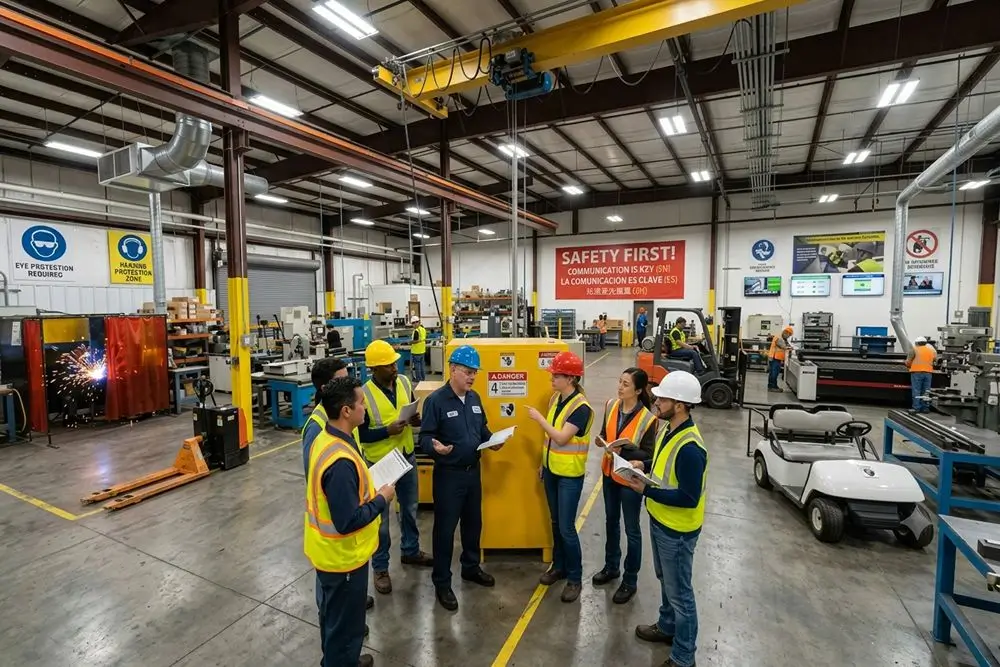
There is often confusion about who is responsible for ensuring PPE training in the workplace. While employers, supervisors, and employees all play a role, the level of responsibility differs for each group. Understanding this shared responsibility is key to maintaining a safe working environment. In this article, we will explore PPE is used, Employees responsibilities regarding the use of PPE, and Safety supervisor duties and responsibilities to clarify how training and accountability are distributed.
What is PPE and Why is It Important?
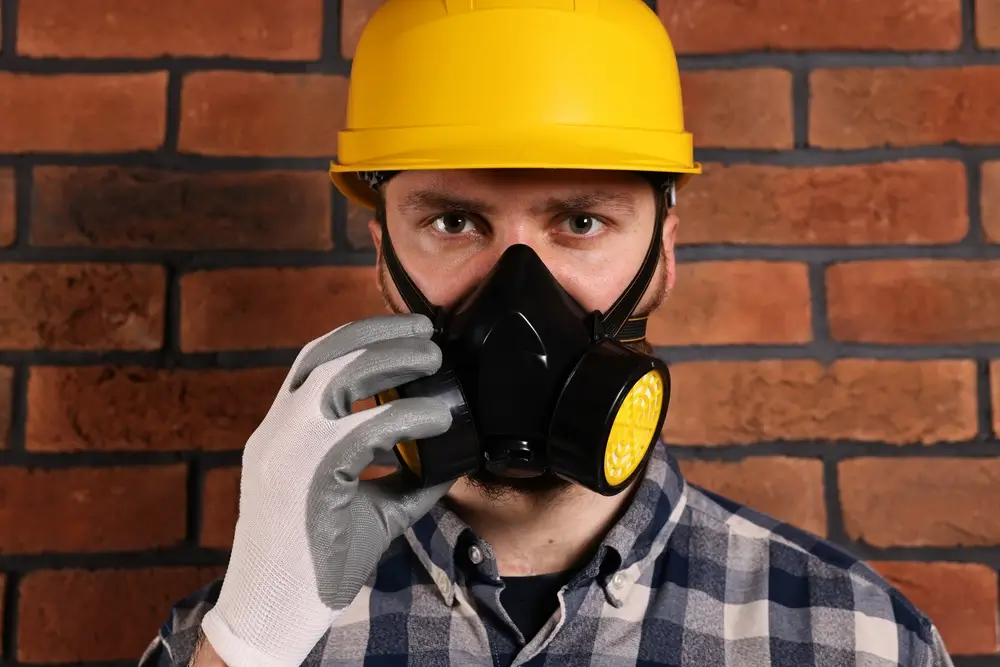
PPE, or Personal Protective Equipment, refers to any equipment worn by workers to minimize exposure to hazards that can cause injuries or illnesses. This includes protective helmets for head safety, gloves for hand protection, goggles for eye safety, masks or respirators for breathing protection, and specialized clothing for body protection, depending on the nature of the work.
PPE is important to understand as it is required in many different situations, especially in construction sites, manufacturing plants, chemical handling areas, healthcare environments, and any workplace where physical, chemical, or biological hazards exist. Whenever risks cannot be fully removed through safety procedures or equipment design, PPE becomes a necessary protective measure.
The primary role of PPE is to reduce the risk of injury by creating a barrier between the worker and potential hazards. While it does not eliminate danger completely, it significantly lowers the chances of serious harm when used correctly. This is why proper training is essential, as incorrect use of PPE can reduce its effectiveness or even create additional risks instead of preventing them.
Who is Responsible for PPE Training?
Responsibility for PPE training in the workplace is shared, but it starts primarily with the employer. Employers are legally and operationally responsible for ensuring that workers are provided with the correct protective equipment and the proper training to use it safely.
However, this responsibility is supported by safety supervisors and managers who help enforce training on the ground and ensure that safety procedures are actually followed during daily operations. Employees also play an important role by actively applying what they are taught and following PPE instructions consistently. In practice, PPE training works best when it is treated as a shared responsibility between management and workers, where each group contributes to maintaining a safe working environment.
Employer Responsibilities for PPE Training
Employers carry the main responsibility for PPE training because they control workplace conditions and safety resources. One of their key duties is to provide appropriate PPE based on a proper risk assessment of the workplace. This ensures that workers receive equipment that matches the specific hazards they face. Employers must also make sure that every employee is properly trained before using PPE, including how to wear, adjust, maintain, and store it correctly.
In addition, employers are responsible for keeping PPE available at all times and ensuring it remains in good working condition. Damaged or outdated equipment must be replaced immediately to maintain safety standards. requirements with OSHA safety regulations is another critical responsibility, as employers are required to follow established guidelines for workplace protection. Finally, proper documentation of all PPE training sessions and enforcement actions is essential, as it provides proof of requirements and helps maintain accountability within the organization.
Safety Supervisor Duties and Responsibilities
Safety supervisors play a key role in ensuring that PPE training is not just delivered but actually followed in day-to-day operations. They act as the frontline safety leaders within a workplace, making sure that employees understand how to use PPE correctly and consistently. Their responsibility goes beyond training; it also includes monitoring, guiding, and correcting behavior to maintain a safe working environment.
- Conducting on-site safety training sessions
- Monitoring correct PPE usage in daily operations
- Identifying hazards and recommending PPE requirements
- Correcting unsafe behavior and ensuring requirements
- Acting as a link between workers and management
Employees Responsibilities Regarding the Use of PPE
Employees also play an important role in maintaining workplace safety by properly using the protective equipment provided to them. They are expected to wear PPE correctly as instructed during training and ensure it is used consistently whenever required. Proper usage is essential because even the best equipment cannot provide protection if it is not worn or fitted correctly.
In addition to using PPE correctly, employees must take responsibility for its basic care and maintenance. This includes inspecting equipment before use, reporting any damage or defects, and following all safety guidelines provided by the employer. Active participation in safety programs and training sessions further helps employees understand risks and contributes to a safer overall work environment.
When PPE Training Becomes Mandatory
PPE training is not a one-time activity; it must be updated whenever workplace risks change or new safety requirements are introduced. Whenever new equipment or hazards are introduced, employees need proper training to understand how to handle them safely and which protective gear is required. Similarly, changes in workplace processes or materials can create new risks, making refresher training essential to ensure everyone is still protected under the updated conditions.
Training also becomes mandatory when OSHA requirements requirements are updated or when inspections highlight gaps in safety practices. In addition, after workplace incidents or near-misses, retraining is often necessary to address what went wrong and prevent similar situations in the future. These updates ensure that PPE use remains effective, relevant, and aligned with current workplace safety standards.
Conclusion
PPE training is a shared responsibility that brings together employers, safety supervisors, and employees to create a safer workplace. When each party understands their role, whether it’s providing proper equipment, ensuring correct usage, or following safety instructions, the risk of workplace injuries is significantly reduced.
Regular and timely training is especially important whenever new hazards are introduced, processes change, or incidents occur, ensuring that safety practices remain up to date and effective. Ultimately, consistent PPE training not only supports OSHA requirements but also builds a stronger safety culture where protection becomes a daily habit rather than just a requirement.
Related Posts
Understanding OSHA’s Mission
OSHA Interview Practice: Questions & Answers